

Food coloring plays a vital role in enhancing the visual appeal of chocolates. Whether you’re a professional chocolatier or an enthusiastic home baker, using the right food coloring can help you create stunning and vibrant chocolate creations.
In this article, we will explore the best food colorings available for chocolate and provide useful tips for achieving optimal results.
How to Choose the Right Food Coloring for Chocolate
Following is the steps you should consider when choosing the food coloring for chocolate.
Desired Color Intensity
When choosing the food coloring for chocolate, there are several factors to consider. First, you should determine the level of color intensity you want to achieve in your chocolate.
Some colorings provide subtle shades, while others offer vibrant and bold colors. For more information on achieving the desired color intensity, you can refer to The Science of Food Coloring in Chocolate.
Type of Coloring
Decide whether you prefer natural or synthetic food colorings. Natural colorings are derived from plant-based sources and may have a more muted color palette. Synthetic colorings, on the other hand, offer a wide range of bright and intense colors. Consider your personal preferences and any dietary restrictions or preferences for using organic or natural ingredients.
Compatibility with Chocolate
Next, it’s important to decide whether you prefer natural or synthetic food colorings. Natural colorings are derived from plant-based sources and may have a more muted color palette. On the other hand, synthetic colorings offer a wide range of bright and intense colors. If you’d like to learn more about the differences between natural and synthetic food colorings, you can visit Fine Cooking’s article on Tips for Choosing Food Coloring for Chocolate.
Form and Consistency
Food colorings are available in various forms such as liquid, gel, powder, paste, and oil-based. Each form has its own advantages and considerations. Liquid colorings are easy to use and mix into melted chocolate, while gel and paste colorings are highly concentrated and offer more intense colors.
Powdered colorings can be mixed with dry ingredients before adding them to melted chocolate. Oil-based colorings blend seamlessly with chocolate and provide a smooth and glossy finish. Choose a form that suits your needs and preferences.
Ease of Use and Application
Consider the ease of use and application of the food coloring. Some colorings require precise measurements, while others can be added gradually until the desired shade is achieved.
Gel and paste colorings often come in small tubes or jars with controlled dispensers, making them easier to measure and mix. Powdered colorings may require additional steps for mixing and achieving the desired consistency.
Personal Preferences
Finally, consider your personal preferences, including any dietary restrictions, preferences for natural or synthetic ingredients, and the overall aesthetic you want to achieve.
Take into account any specific requirements or guidelines you follow in your culinary practices.
Our Recommendations For The Best Food Coloring For Chocolate
| Design | Buying Guides | Retailer |
|---|---|---|
 | Check Price | |
 | Check Price | |
 | Check Price | |
 | Check Price | |
 | Check Price |
US Cake Supply Liquid Food Coloring
Getting great colors in your cake… Sound’s difficult but wait.
What if there’s a shortcut to achieving brilliant and vivid colors using a shortcut named US Supply Liquid Food Coloring? You heard it!
This set of vibrant liquid colors is perfect for coloring chocolates and various other confections. With just a few drops, you can transform your plain chocolates into eye-catching masterpieces.
Whether aiming for bold and vibrant shades or delicate pastels, this food coloring set offers endless possibilities to make your chocolate creations visually stunning.
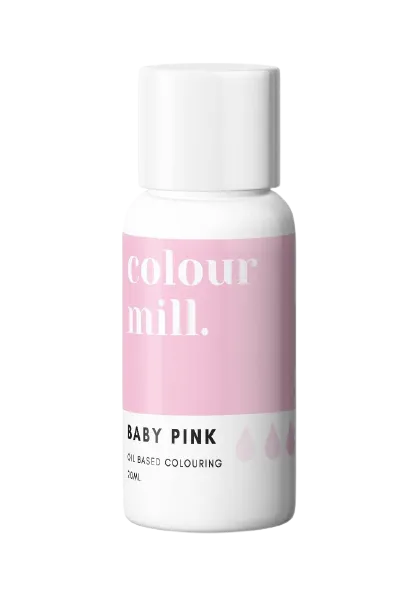
Color Mill Oil-Based Coloring
There isn’t a better idea to bring amazing colors to your chocolate compared with Colour Mill Oil-Based Coloring. These concentrated oil-based colors are specifically formulated for chocolate and other fat-based products. With a small amount, you can achieve intense and vibrant colors that won’t alter the texture of your chocolates.
However, some users panic after a few hours thinking that the color isn’t developing properly. It’s important to note that the bottle must be shaken properly before use, and the colors can take several hours properly form.
The smooth consistency of the coloring allows for easy blending and precise control over the color intensity. Elevate your chocolate decorations and designs with the wide range of shades in the Color Mill Oil-Based Coloring collection.
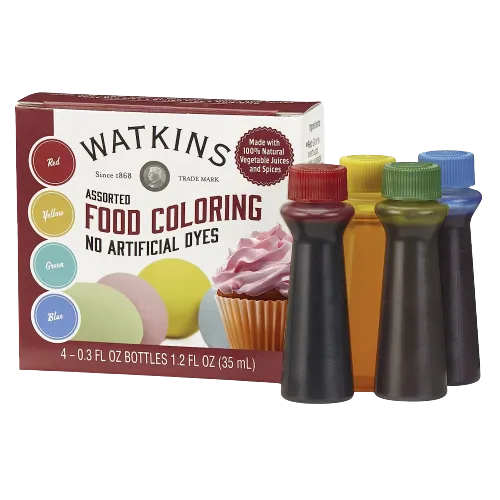
Watkins Food Coloring
Add a pop of color to your chocolate creations with Watkins Food Coloring. These colorings are made from high-quality ingredients, delivering vibrant and consistent results without waiting years.
Watkins Food Coloring provides you with a spectrum of colors to choose from. It is possible to aim for bold and bright shades or softer pastel tones with this food coloring.
Just ensure that you have given a good read to the instruction manual so you can enhance the visual appeal of your chocolates and let your creativity shine with this reliable food coloring option.
Nomeca Food Coloring
The best word to define this food coloring is a “World of Color Possibilities” named Nomeca Food Coloring. This vibrant, gel-based color set is perfect for coloring chocolate and other confections.
The highly concentrated formula ensures you achieve rich and intense colors with just a small amount of coloring. The gel consistency allows for precise control over the color intensity and allows you to easily blend different shades.
But before we move on to the next product, please ensure that this food coloring is not child’s play. It is strictly advised to keep the nome food coloring away from children. It also contains SOY, so people who are soy allergic should restrain from using this food coloring as well.
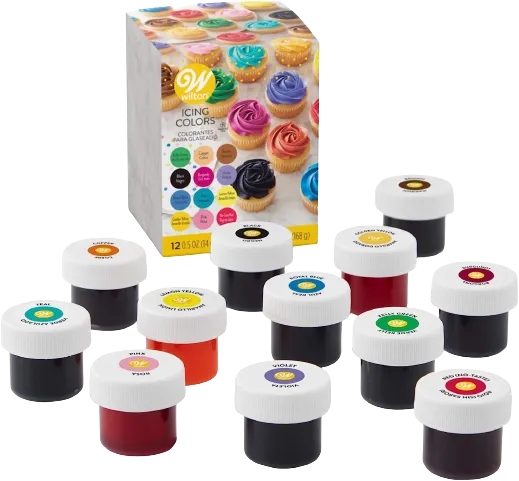
Wilton Icing Colors
Discover the versatility of Wilton Icing Colors for coloring your chocolates. This set of concentrated gel colors offers a variety of shades that can be mixed and matched to create your desired color palette without making you bankrupt.
For people who love to achieve vibrant and bold colors or delicate pastels, Wilton Icing Colors provides you with the tools to bring your chocolate creations to life.
With their easy-to-use gel consistency, these food colors are perfect for beginners and experienced bakers looking to add a touch of creativity to their chocolate treats.
Why Should You Use Oil Based Food Coloring For Chocolate?
Oil-based food coloring is the best choice for coloring. The Oil-based food coloring can bind easily with the fat in the chocolate, creating a smooth and uniform color.
Water-based food coloring, on the other hand, can cause the chocolate to seize or become lumpy, as water and oil do not mix well.
Some of the best brands of oil-based food coloring for chocolate are Wilton, Chefmaster, and Colour Mill. These brands offer a variety of vibrant and consistent colors that are suitable for different types of chocolate and candy.
They are also vegan, gluten-free, peanut-free, egg-free, and kosher certified, making them safe for people with dietary restrictions.
Oil-based food coloring can be added to melted chocolate using a toothpick or a dropper, and stirred well until the desired color is achieved.
A little goes a long way, so it is advisable to start with a small amount and add more as needed.
Can I use gel food coloring in chocolate?
Gel food coloring is not recommended for chocolate because it can cause the chocolate to seize and become lumpy. Instead, use oil-based or powder food coloring that are specially made for chocolate. These types of food coloring will not affect the texture or taste of the chocolate.
Conclusion
Choosing the right food coloring for chocolate is essential to achieve visually stunning and appetizing creations. Whether you prefer natural or synthetic colorings, there are various options available to suit your preferences and needs.
Consider the type of coloring, its compatibility with chocolate, and the desired color intensity when making your selection. Experiment with different techniques and combinations to unleash your creativity and make your chocolates truly stand out.
Frequently Asked Questions
Can I use water-based food colorings for coloring chocolate?
Water-based food colorings are not recommended for coloring chocolate as they can cause the chocolate to seize and become unusable.
Can I mix different food colorings to achieve unique colors?
Yes, you can experiment with mixing different kinds of food colorings, such as gel-based and powdered, to create custom shades and effects in your chocolate.
Are natural food colorings less vibrant than synthetic ones?
Natural food colorings offer more subtle and earthy shades than synthetic ones, but their vibrancy can still be enhanced by using larger quantities or combining them with other colors.
How do oil-based colorings affect the texture of the chocolate?
Oil-based colors have a minimal impact on the surface of the chocolate. They blend smoothly and provide a glossy finish without altering the overall texture.
Are there any specific precautions to take when using food colorings with chocolate?
It is essential to use food colorings formulated explicitly for use in chocolate. Follow the recommended dosage, and always test a small batch before coloring a larger quantity of chocolate.